
Guides
How Long Do Supplements Take to Work? An Honest Timeline

Oct
There is no single answer. How long a supplement takes depends on the nutrient, how low your levels were to begin with, and whether you take it every day. Where a GP is correcting a diagnosed deficiency, the NHS talks in weeks and months, checked with blood tests. If your diet already covers your needs, you may never notice a change at all, which is worth knowing before you judge any product.
In this guide
Why is there no single timeline?
Three things decide how quickly anything shifts.
- Your starting point. Someone with a confirmed shortfall has a gap to close. Someone already well supplied by food has very little to change.
- How the body handles the nutrient. The British Nutrition Foundation points out that the body keeps reserves of fat-soluble vitamins such as D and E, but has no real reserve of water-soluble ones such as vitamin C and the B group, so those depend on regular intake. Reserves take time to build, and time to empty.
- Consistency. A supplement taken four days a week is a different experiment from one taken every day.
A realistic timeline, nutrient by nutrient
The clearest timelines come from situations where the NHS is correcting a known problem, so read these as examples of scale rather than promises.
| Situation | Typical timescale | How progress is checked |
|---|---|---|
| Iron tablets for iron deficiency anaemia | About 6 months, per the NHS | Repeat blood tests over the following months |
| Folic acid tablets for folate deficiency | About 4 months for most people, per the NHS | Blood tests, typically early on and again after about 8 weeks |
| Folic acid when planning a pregnancy | Start before conceiving and continue until 12 weeks, per the NHS | Not a test result; it is about having enough in place early |
| Vitamin D in the UK | Daily through autumn and winter, per the NHS | A seasonal habit rather than a quick fix |
| Creatine at 3g a day | About 28 days to raise muscle stores, per an ISSN review | Performance in repeated, short, hard efforts |
The pattern is clear: even a targeted dose for a diagnosed deficiency is measured in months, not days. A general daily supplement taken by someone who is not deficient is unlikely to produce a dramatic, fast change.
Why “feeling” a difference is a poor guide
Most of us judge a supplement by how we feel, and that is a shaky test. Energy, mood and sleep move around from week to week for all sorts of reasons. The NHS page on tiredness lists poor sleep, stress, an unhealthy diet, little exercise, hormonal changes and illness among the common causes. Start a supplement in a good week and it gets the credit; start in a bad week and it gets the blame.
Expectation plays a part too. Buying something new often comes with other changes, such as earlier nights or better meals, which muddy the picture further. That is why we would rather you judge a routine over months, with your GP’s help where there is a real concern, than by a hunch after a fortnight.
If you have felt tired for a few weeks and do not know why, or it is affecting your daily life, the NHS advice is to see a GP. Symptoms like these have many possible causes, and a supplement is not a way of finding out which one applies to you.
When does a blood test help?
A blood test is the only reliable way to know whether you are low in something like iron, vitamin B12 or folate, and the NHS pages above show that GPs use repeat tests to check progress once a deficiency is found. If you suspect a shortfall, get tested before you start taking anything, because a supplement taken first can make the picture harder to read.
Testing is not usually needed just to “see if a multivitamin is working” when there is no sign of a problem. In that case the honest measure is simpler: are you taking it consistently, and is the rest of your diet doing its share?
How to stick with a routine long enough to judge it
- Decide your review point in advance. Write a date in your calendar a few months ahead, rather than reassessing every week.
- Attach it to one meal. Taking a supplement with the same meal each day does more for consistency than any app.
- Keep a simple log. A tick on a calendar shows how many days you actually took it, which is often fewer than you think.
- Plan for disruption. Put a few days’ supply in your bag or desk for travel and late nights.
- Change one thing at a time. Starting three new products at once makes it impossible to tell what is doing what.
Pro Vitality+: what is in a daily sachet
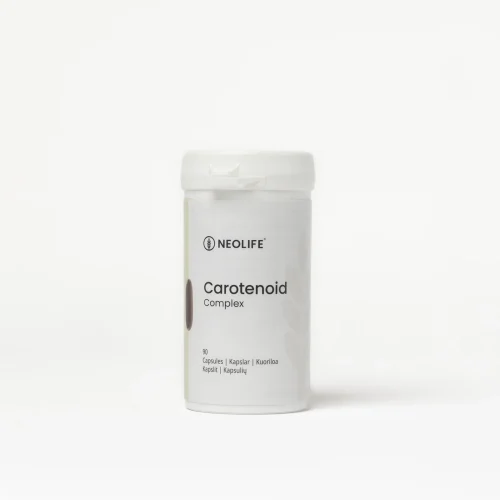
Pro Vitality+ is built around a one-sachet routine, which suits people who struggle to keep several pots going. Every sachet contains four capsules, one from each of four NeoLife formulas: Omega-3 Plus, Carotenoid Complex, Tre-en-en Grain Concentrates and a vitamin and mineral capsule supplying 22 vitamins and minerals. Per sachet, the pack declares 380mg of omega-3 fatty acids, including 153mg EPA and 160mg DHA, along with 10 micrograms of vitamin D.
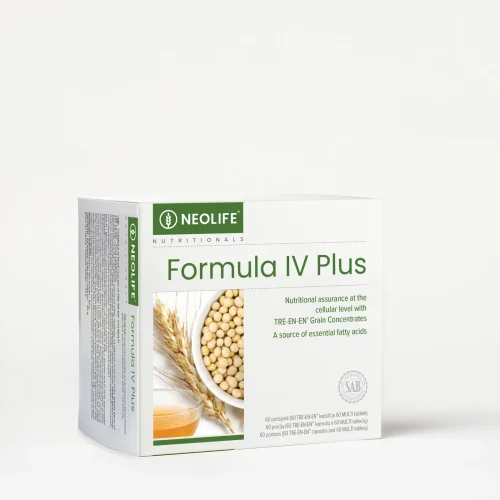
The directions are one sachet a day with a meal, and a box of 30 sachets lasts a month. It contains fish, wheat and soy, and the mineral complex includes 6mg of iron, so check with your GP first if you have been advised to avoid iron. If you would rather have an iron-free multivitamin, Formula IV Plus is the alternative.
Products in this guide


Common questions
How long should I try a supplement before deciding?
Give a daily supplement a few months of consistent use before reviewing it, and decide the review date at the start. NHS examples show that even targeted doses for a diagnosed deficiency run for about 4 to 6 months. If you have symptoms you are worried about, see your GP rather than waiting.
Should I expect to feel different?
Not necessarily. If your diet already covers your needs, there may be nothing to notice. How you feel day to day depends on sleep, stress, activity and health, so it is a weak test of any supplement. A blood test is the better tool where a deficiency is suspected.
Will taking more make a supplement work faster?
No, and it can be harmful. Several nutrients have upper limits. Vitamin D is a good example: the NHS puts the adult ceiling at 100 micrograms a day. Stick to the label dose, and add up the amounts if you take more than one product.
Can a blood test show whether a supplement is working?
For specific nutrients such as iron, B12 and folate, yes; GPs use repeat blood tests to track a known deficiency. For a general multivitamin taken without any sign of a problem, routine testing is not usually needed. Ask your GP if you have a specific concern.
What happens if I stop taking a supplement?
It depends on the nutrient. Water-soluble vitamins are not stored, so your intake then depends on what you eat each day. Fat-soluble vitamins are stored and run down more slowly. If a GP prescribed something, do not stop without checking with them.
Genuine NeoLife, delivered in the UK
Free UK delivery on orders over £150. Order online, no membership needed.
Please remember that supplements are meant to add to good eating, not replace it, and no capsule is a substitute for a varied diet and a healthy lifestyle. This timeline guide is general information, not medical advice, and it cannot stand in for a clinician who knows you. Expecting a baby, taking prescribed medicines or living with a long-term condition? Talk it through with your GP or a pharmacist before adding anything new.
Explore the rest of our foundation range in core products.
More guides
 GuidesMeal Replacement Shakes: What They Are and How to Use One SensiblyA factual look at meal replacement shakes: what goes into one, how a serving stacks up against daily protein and fibre needs, and how…
 GuidesWhen to Take Your Vitamins: Morning or Evening, With or Without Food?The clock matters less than consistency: here is when food helps, which supplements to space apart, and how to make a daily vitamin habit…
 GuidesCreatine Monohydrate: What It Is, Who It Suits and How to Take ItA plain-English guide to creatine monohydrate: what it does, who it suits, why 3g a day matters and how to fit it into a…