

This page collects six NeoLife products built around vitamin C, vitamin E and plant-derived ingredients such as flavonoids and carotenoids – ingredients many customers look for when reading about antioxidant nutrients. It suits anyone who wants to see the vitamin C and E options side by side before choosing one for a daily routine.What’s on this page, and how do the products differ?All C – a chewable orange tablet with 50 mg vitamin C (62% NRV); 120 tablets.Sustained Release Vitamin C – 200 mg vitamin C (250% NRV), released over 6 to 8 hours; 120 tablets.Wheat Germ Oil with Vitamin E – vitamin E from cold-pressed wheat germ oil; 100 capsules.Betaguard – vitamins C and E, selenium and zinc, plus carotenoids; 90 tablets.Flavonoid Complex – flavonoids from cranberry, kale, green tea, berries and grape, with vitamin C; two tablets daily with a meal.Cruciferous Plus – extracts of five cabbage-family vegetables with vitamin E; 60 tablets.How do I choose between the two vitamin C products?It comes down to format and amount. All C is a 50 mg chewable, handy if you dislike swallowing tablets. Sustained Release Vitamin C gives 200 mg released over six to eight hours. Most people pick one.Can I combine several of these?You can, but more is not automatically better. Betaguard already contains vitamins C and E, so a separate C or E product doubles up. Add one product at a time, and ask your GP or pharmacist if you take medication.Food supplements should not be used as a substitute for a varied, balanced diet and a healthy lifestyle.1
· Reviewed by Nishit Kotak, independent NeoLife distributor
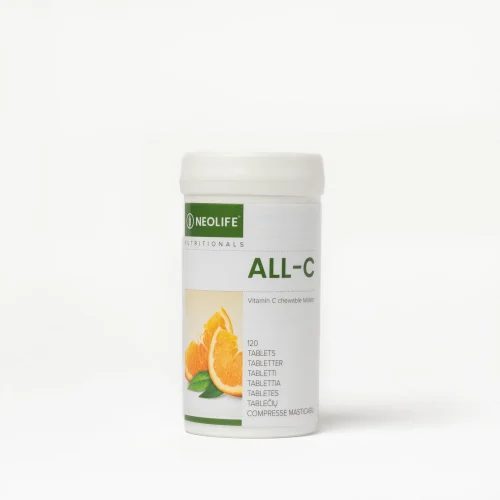
£0.21 each
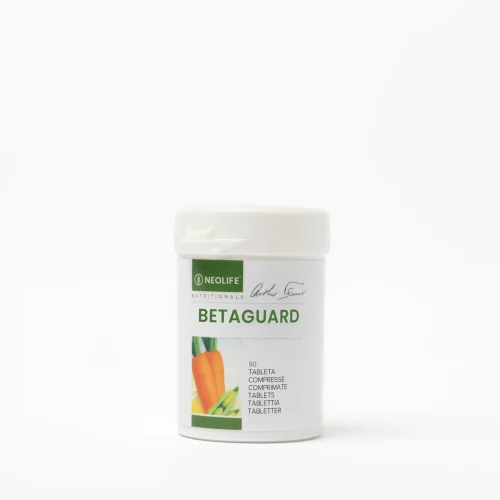
£0.43 each
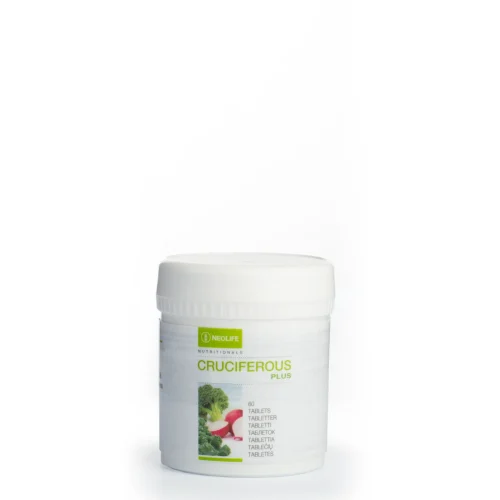
£0.47 each
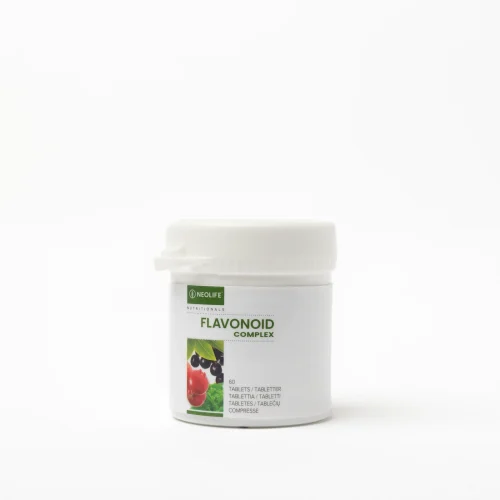
£0.47 each
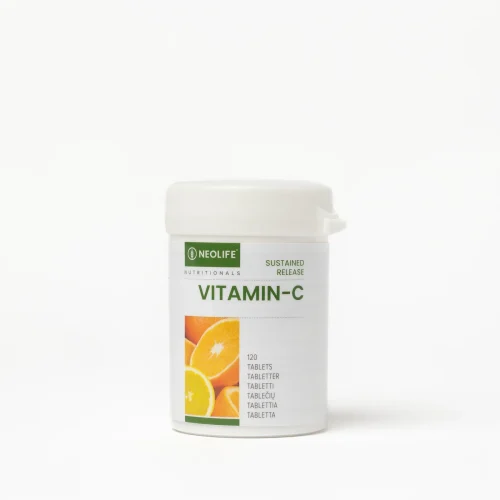
£0.27 each
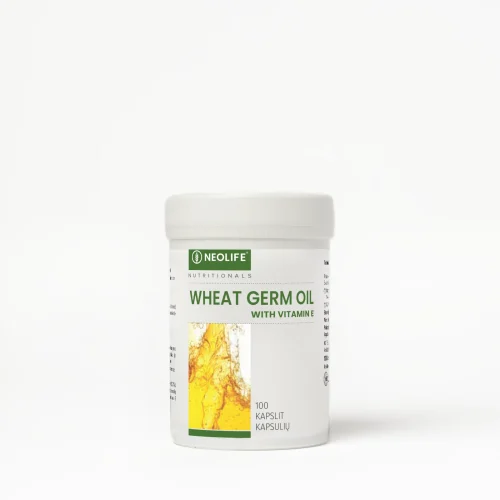
£0.38 each
Not sure which one is right for you?
Answer a few questions, or ring Nishit — you’ll get a real person, not a call centre.
Sources 1 Amounts per serving are taken from the product’s UK label (NeoLife). %NRV figures use the Nutrient Reference Values in Annex XIII of Regulation (EU) No 1169/2011, as it applies in Great Britain. Nutrition and health claim wording and conditions of use (for example 250 mg EPA and DHA a day) follow the Great Britain nutrition and health claims register.
